
Dvele Site Prep & Utilities: The Enterprise Owner’s Guide
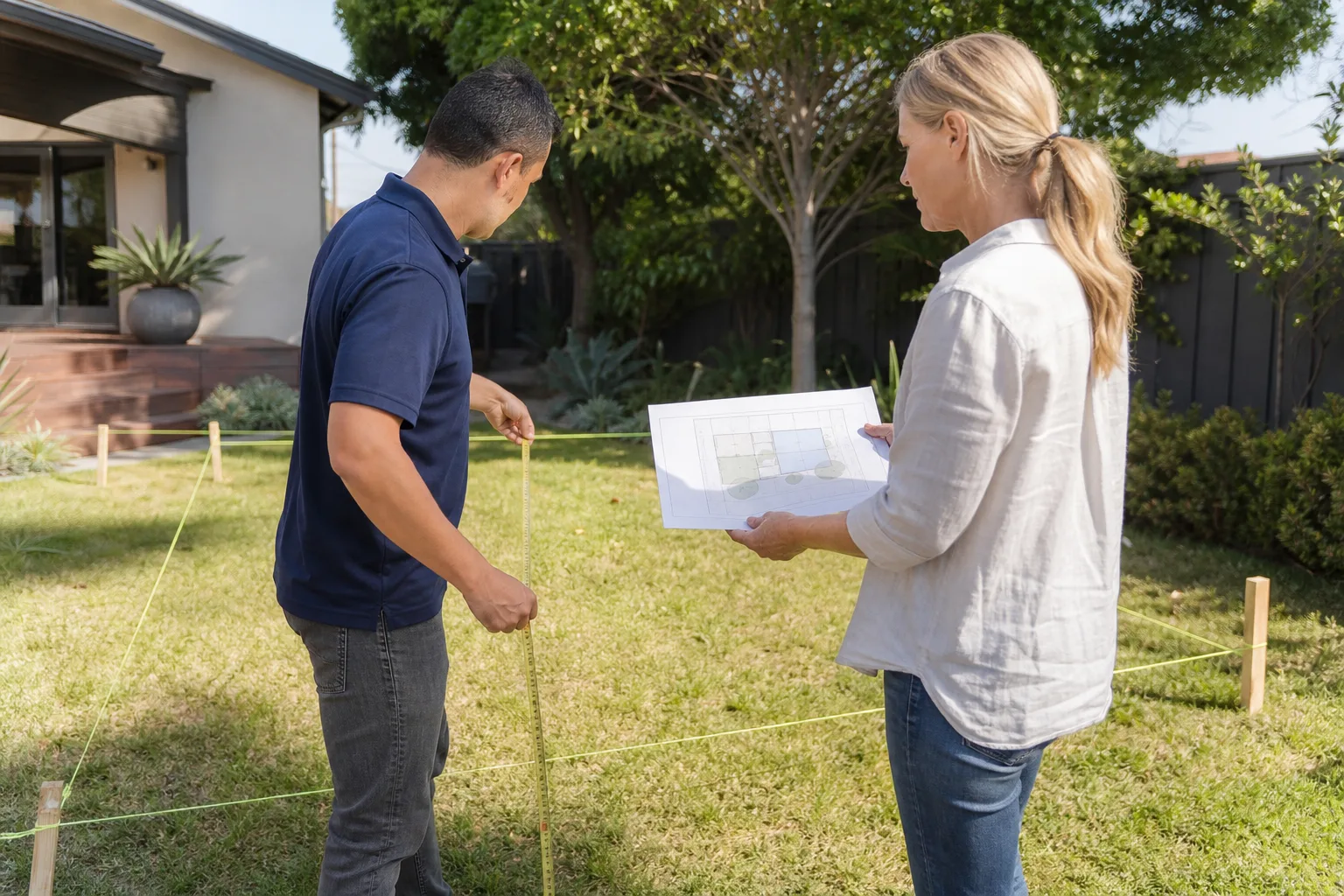
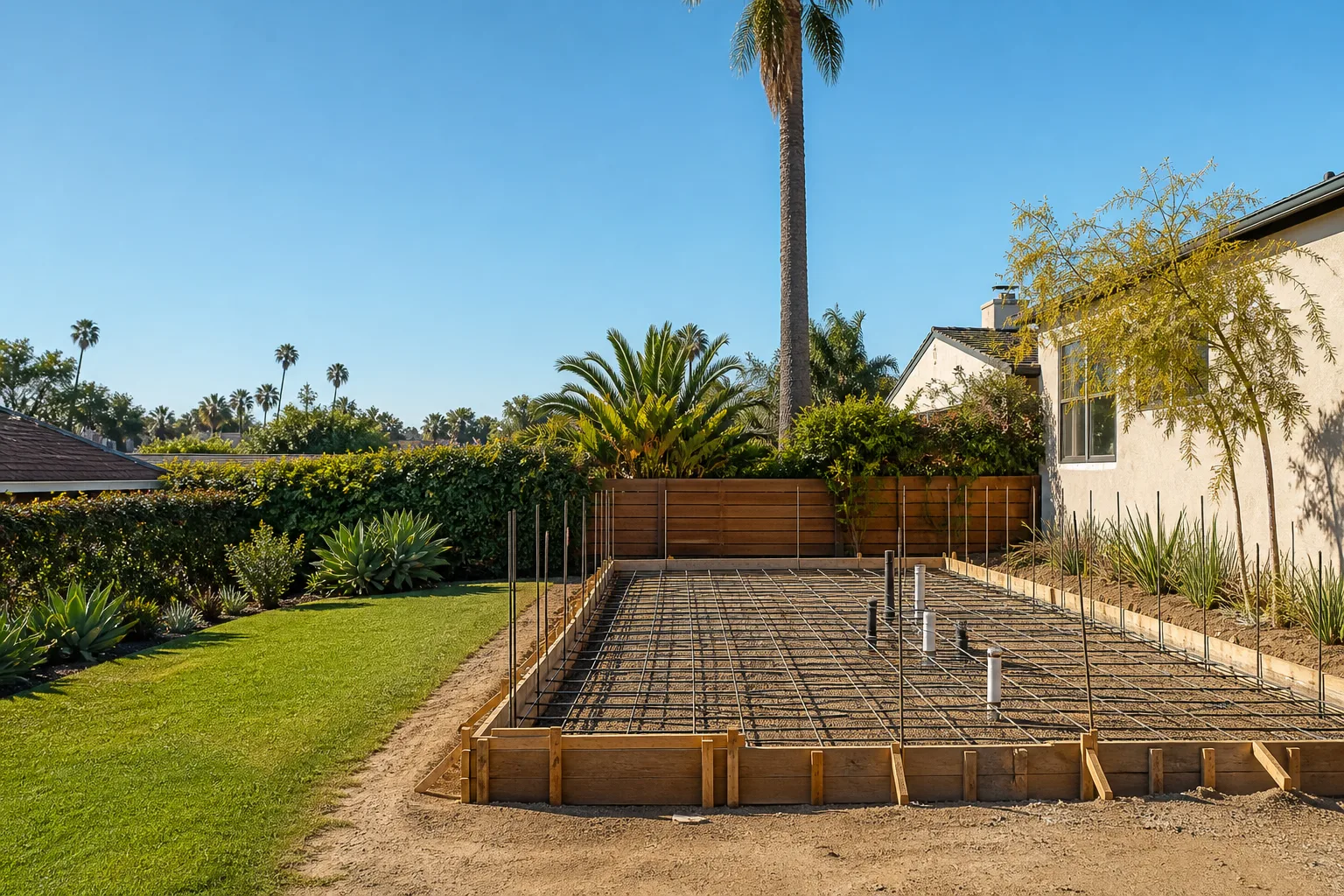
We handle Dvele site prep and utilities work in Enterprise – grading, pad and foundation tie-ins, trenching, water and sewer connections, and electrical and gas rough-in to the home’s tie-in points. Most full site prep and utility packages for a Dvele unit run $18,000 to $46,000 installed in the Enterprise market, though grading, trench length, and utility distances push that range substantially. A failed or incomplete utilities job usually shows up first as a wet pad after a storm, a sewer smell in the yard, a slow drain, nuisance GFCI trips, or a failed inspection notice.
Key Takeaways
- Site prep and utilities is the work that happens before and underneath a Dvele home – not part of the Dvele factory package.
- Enterprise’s caliche-heavy soil and monsoon runoff are the two biggest cost drivers here, not the house itself.
- Permits and inspections for utilities are separate from the Dvele factory’s engineering – both have to pass.
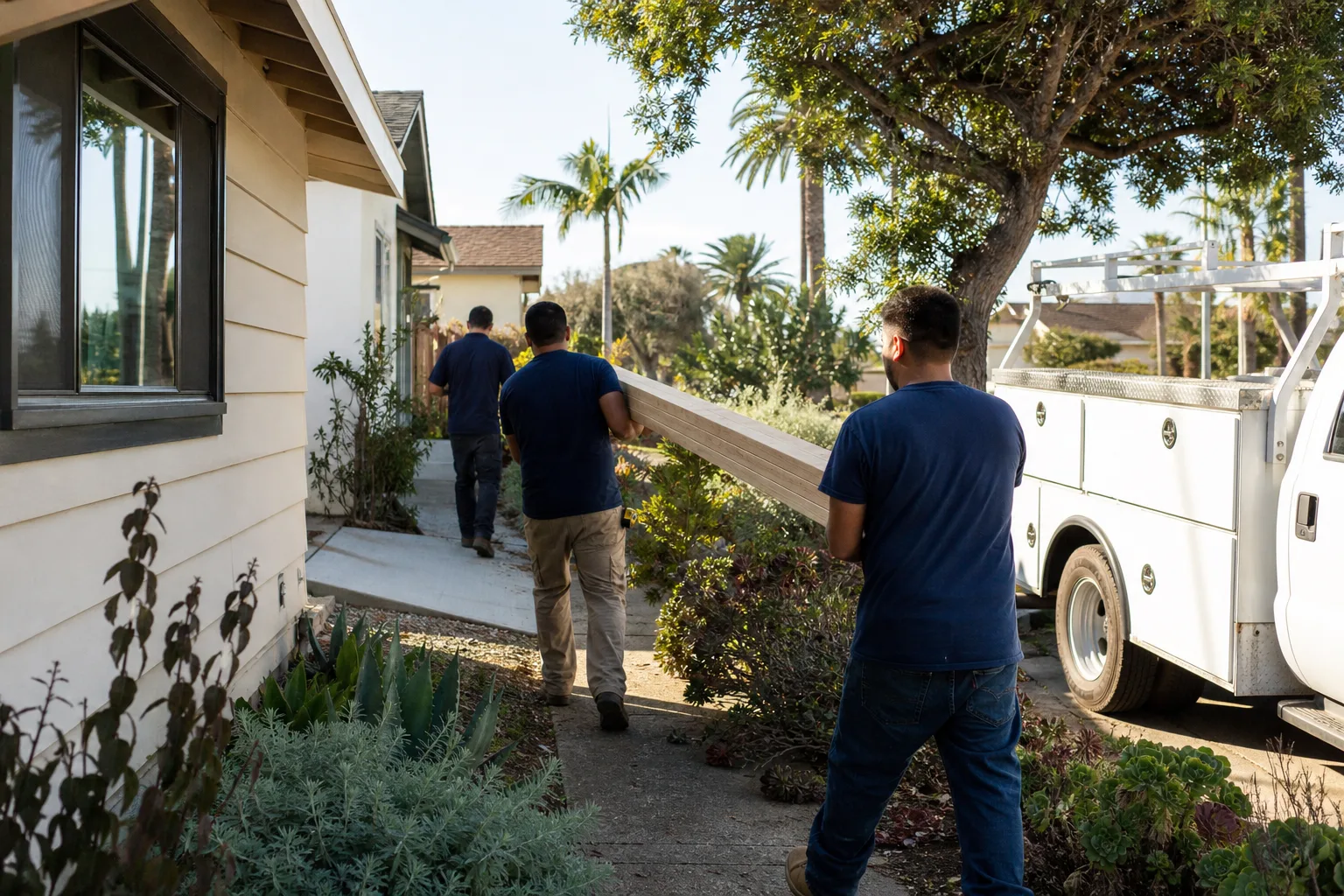
- Our technicians have up to 16 years of experience with trenching, conduit, and utility tie-ins on prefab and modular homes.
Which Dvele Models This Applies To
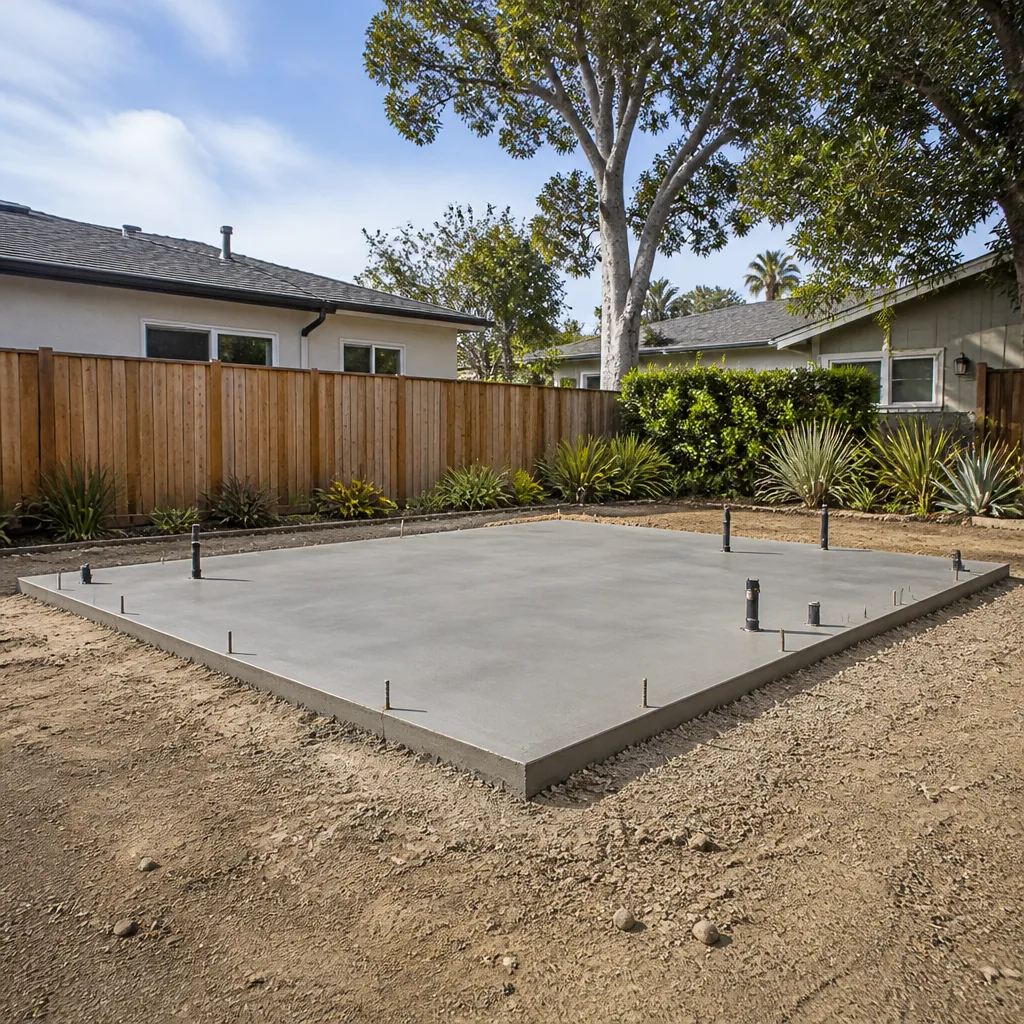
Dvele site prep and utilities work applies to every Dvele model line, because the site work is separate from the house. The Dvele Lumen, Dvele Vital, and Dvele Flex series all ship with the same basic utility interface – a set of stub-outs for water, sewer, electrical, and gas at defined locations – but the required trench depth, conduit size, and trench routing depend on your specific model and lot. Dvele’s engineering package for each home specifies exact utility connection points, and that is the document that matters.
To identify what you need, find your Dvele model number, the factory engineering drawings that came with the home, and the site plan prepared for your lot. Dvele homes use standard residential utility connections, which means aftermarket and OEM-equivalent components work fine here – a standard 1-inch water service, standard 4-inch sewer line, standard electrical conduit. The parts that fail or that need replacing are commonly the connection hardware at the tie-in point and the conduit and trench materials, not proprietary Dvele components.
We are an independent service provider. We are not affiliated with Dvele, and we do not sell Dvele-branded products. What we do is install and repair the site-side work that Dvele homes connect to.
Signs Your Dvele Site Prep & Utilities Is Failing
Utility and site work on a Dvele home in Enterprise fails in predictable ways, and most of them show up weeks or months after the install is finished. Here is what to watch for.
- Standing water near the pad after a monsoon storm. In Enterprise, summer storms can drop an inch of rain in a half hour, and the cause is usually grading that drains toward the house rather than away from it. If you see puddling within 10 feet of the Dvele foundation, that is a grading problem.
- Sewer smell in the yard or a slow drain. This usually means a bellied or separated sewer line where the trench settled, or a missing or failed backwater valve. Caliche in Enterprise soil makes settling more likely when trenches aren’t backfilled and compacted correctly.
- Tripping GFCI breakers or a dead circuit in the Dvele unit. The usual cause is water in an exterior conduit or a loose connection at the utility pedestal. Both can be traced and tested.
- Cracks in the concrete pad or visible settlement at the Dvele foundation. This points to inadequate compaction or base material under the pad. Fixing it early is much cheaper than fixing it after the home has shifted.
- A failed inspection notice from the county. Utilities work on a Dvele home in Enterprise requires inspections separate from the Dvele factory engineering. If the tie-in was never inspected or failed, the county will tell you.
Replacement Cost & What’s Included
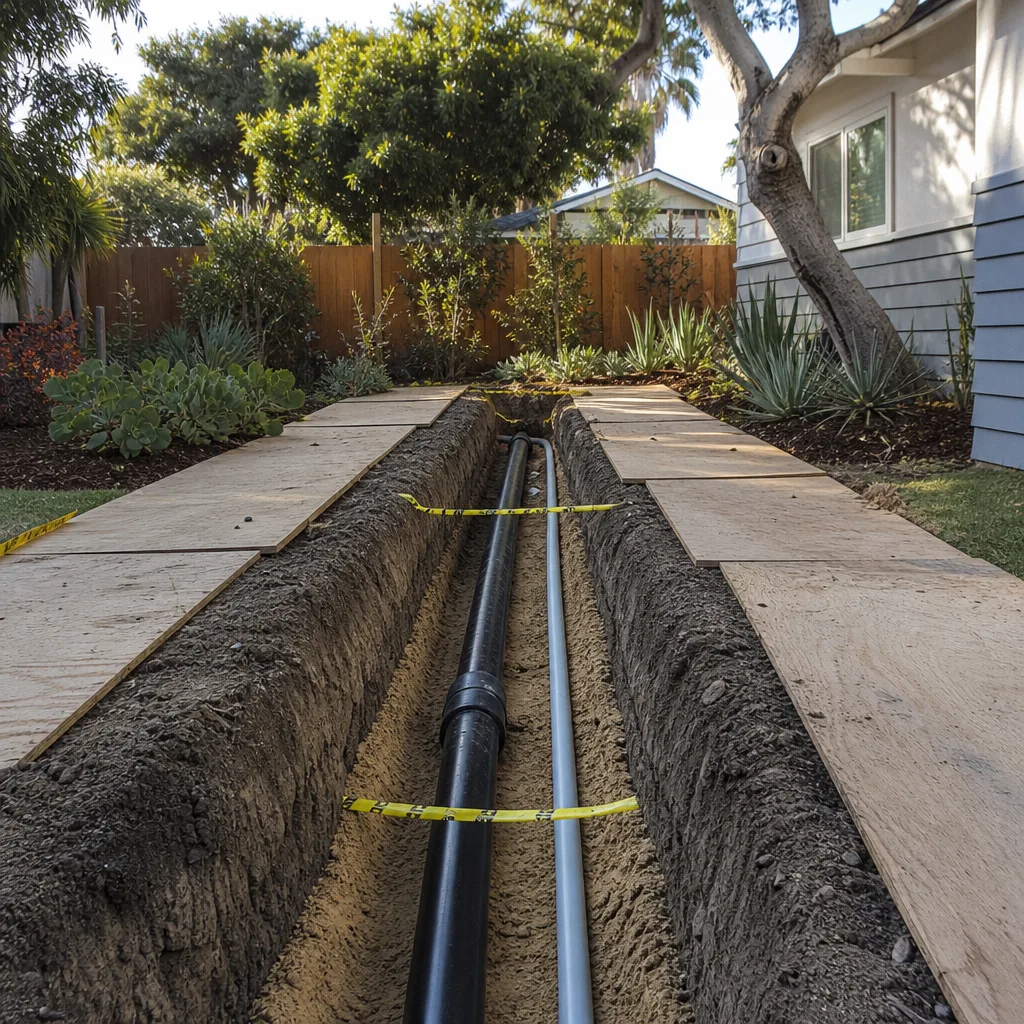
Site prep and utilities pricing in Enterprise depends on lot size, trench length, soil conditions, and how far the Dvele unit sits from existing utility connections. Here is what the work typically costs.
| Item | Typical installed range (Enterprise) |
| Site clearing and rough grading for a Dvele pad | $3,500 – $9,500 |
| Compact base, form, and pour concrete pad | $6,000 – $14,000 |
| Water service trench and tie-in (up to 100 ft) | $2,400 – $5,500 |
| Sewer line trench and tie-in (up to 100 ft) | $3,200 – $7,800 |
| Electrical conduit, pull, and panel connection | $2,800 – $6,500 |
| Gas line rough-in and pressure test | $1,800 – $4,200 |
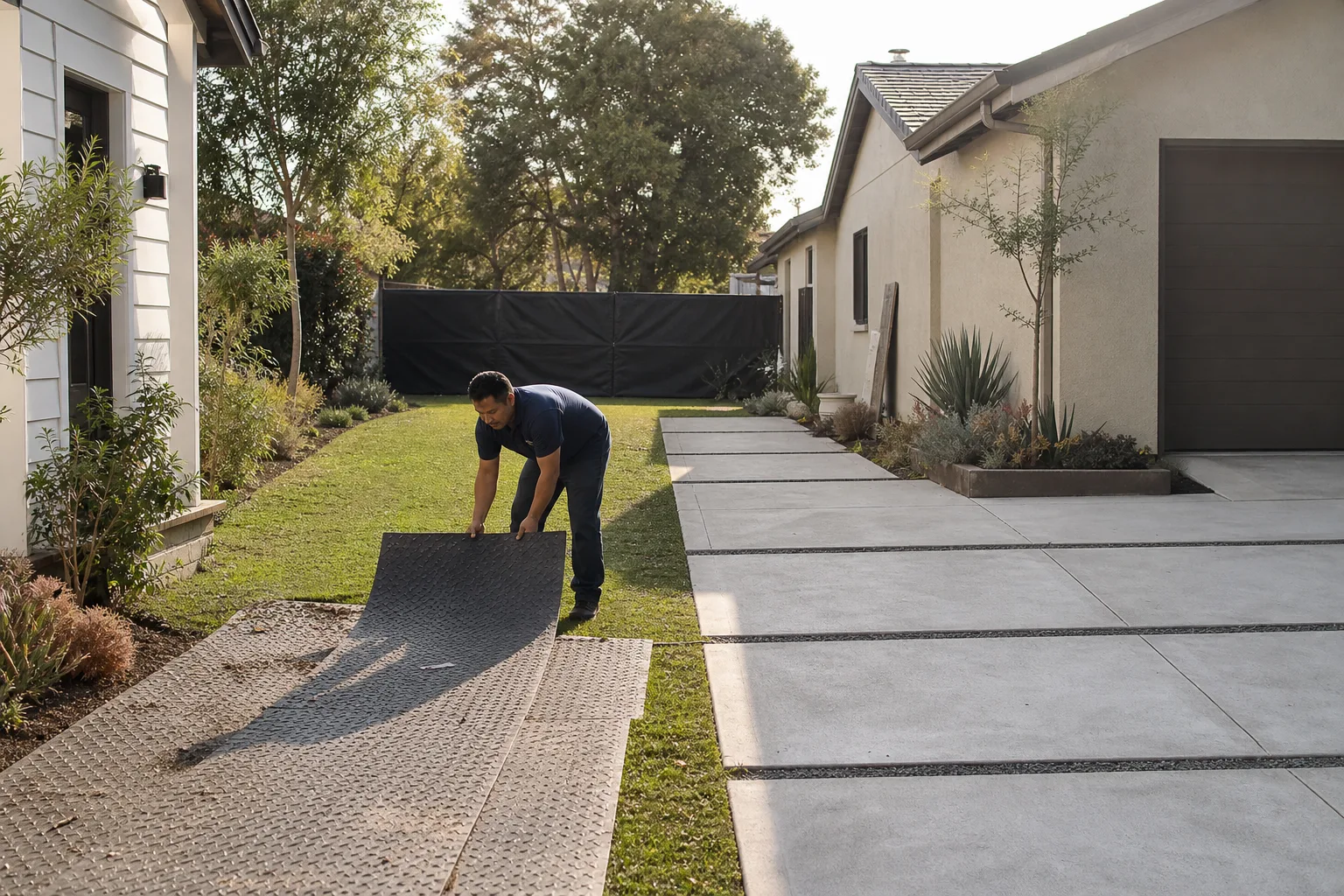
Every quote is written, line-item, and provided before work begins. Prices include permits and inspections where required. The work is covered by The Kingswell Guarantee: a written price before work starts, a defined arrival window, a clean job site, and the 365-Day Done Right Promise with a free return visit if something fails within the guarantee period. If a number in the estimate changes once work begins, that change comes in writing and is approved by you first.
DIY or Call Us?
Here is the honest split. What a homeowner can safely do: walk the lot after a storm and note where water pools, take photos of the utility pedestal and connection points, test GFCI outlets per the manufacturer instructions, check that the sewer cleanout is accessible, and read the county inspection paperwork. What we recommend against: digging near existing buried utilities, splicing or rerouting electrical, taping sewer or gas lines, or attempting backfill compaction without the right equipment. Trenching near a gas or electrical line without calling 811 first is dangerous and illegal in Nevada.
Most of what goes wrong with Dvele site prep and utilities in Enterprise is not a part you replace. It’s a trench that settled, a grade that’s wrong, or a connection that failed. Getting that diagnosed correctly is the job. Call (855) 812-7727 for a free estimate, and a live person will answer, day or night.
FAQs
A properly installed pad, trench, and utility tie-in should last 25 to 40 years. In Enterprise, the two realities that shorten lifespan are caliche-heavy soil that hasn’t been compacted correctly (settling in 3 to 8 years) and monsoon runoff that finds any grading flaw on the first big storm. If the original install was done right, you won’t touch it. If it wasn’t, problems show up inside the first five years.
Frequently, yes. A settled trench can be re-excavated and re-compacted. A sewer line bellied under the pad can be replaced in place. Failed grading can be re-graded and re-drained. Full replacement is usually only needed when the pad itself has structurally failed or a utility connection point has been damaged beyond repair. Diagnosis comes first, then a written repair estimate. Call (855) 812-7727 and we’ll tell you straight whether it’s a repair or a rebuild.
Full site prep and utilities for a new Dvele install in Enterprise runs 2 to 4 weeks from permit to passing inspection. A repair to an existing failed utility or grade is usually 1 to 4 days for the trench work, plus inspection scheduling time. Weather and inspection scheduling are the two variables that push the schedule.
Dvele doesn’t manufacture the utility components – they’re standard residential materials from suppliers, so we source water service line, sewer pipe, conduit, and gas line from local suppliers matched to the Dvele engineering drawings. We do not stock parts on trucks, and we don’t carry a Dvele-branded parts inventory. What we bring is a written price for the specific materials for your lot, and a written guarantee that the work is done right and comes back if it isn’t.
Written by the team at Lodgewick ADU Builders Enterprise, serving Enterprise and nearby areas.
Call (855) 812-7727 for a free estimate on your Dvele site prep and utilities work in Enterprise. Written price before any work starts, a real arrival window, and The Kingswell Guarantee backed by the 365-Day Done Right Promise on every project.